Shopping for an LGA 1700 CPU can be surprisingly complicated, with 12th-, 13th-, and 14th-generation Intel processors spanning budget desktops, gaming rigs, and demanding workstations.
This roundup compares ten strong options by core count, integrated graphics, overclocking support, platform compatibility, and overall value so you can choose the right processor for your build.
Best 10 Computer Processors for Lga 1700 Picks for 2026
Balanced Mainstream Choice

- 10 cores and 16 threads
- DDR4 and DDR5 support
- PCIe 5.0 and 4.0 support
Best For: Mainstream builds with a discrete graphics card
High-Core Productivity Pick
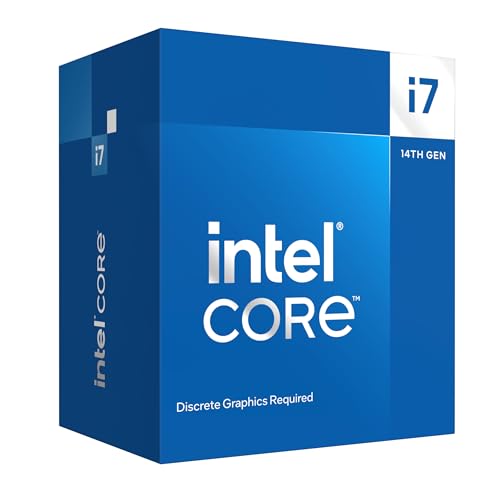
- 20 cores and 20 threads
- 33MB cache
- DDR4, DDR5, and PCIe 5.0 support
Best For: Demanding productivity and gaming systems
Unlocked 12th-Gen Enthusiast Option
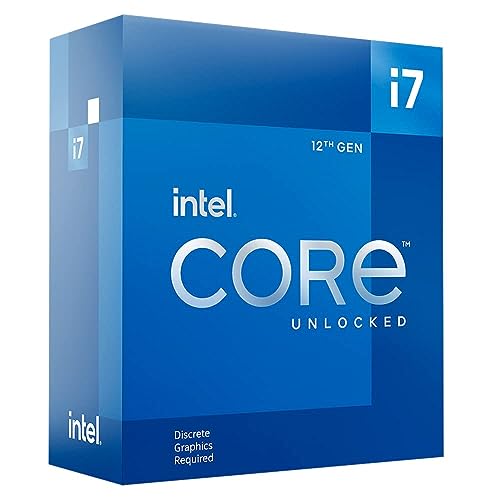
- 12 cores and 20 threads
- Up to 5.0 GHz
- Unlocked LGA 1700 processor
Best For: Tuning-focused builds with suitable cooling
Simple Retail Specification Match
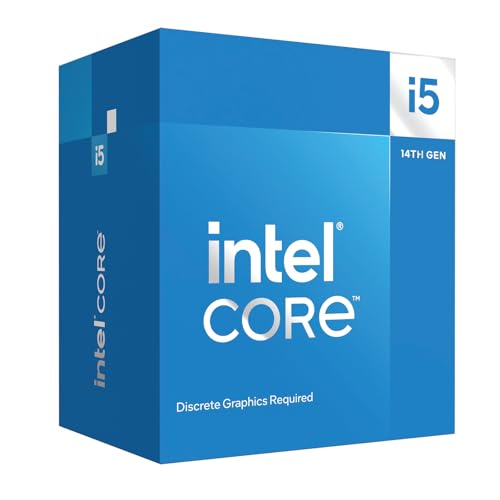
- 10 cores and 16 threads
- 20MB cache
- LGA 1700 socket
Best For: Straightforward Core i5 LGA 1700 desktop builds
Balanced Performance Pick

- 8P+4E hybrid design with 20 threads
- Up to 5.0 GHz and 25 MB cache
- Integrated UHD Graphics; unlocked multiplier
Best For: Gaming, multitasking, and productivity builds
Practical Everyday Choice

- 14 cores and 20 threads for multitasking
- Up to 5.0 GHz turbo speed
- UHD Graphics 770 with up to 8K output
Best For: Home, office, entertainment, and light gaming PCs
Unlocked Gaming Option

- 14 cores and 20 threads
- Up to 5.3 GHz maximum turbo
- Unlocked; supports DDR4 and DDR5
Best For: Discrete-GPU gaming and tuned performance builds
Affordable Office Pick

- 4 cores and 8 threads
- Integrated UHD Graphics 730
- Cooler not included
Best For: Home, school, office, and everyday entertainment
Discrete-GPU Powerhouse

- 16 cores and 24 threads
- Up to 5.2 GHz
- Discrete graphics required
Best For: High-performance gaming and multitasking with a dedicated GPU
Integrated-Graphics Flagship

- 16 cores and 24 threads
- Up to 5.2 GHz
- UHD 770 integrated graphics
Best For: Enthusiast gaming and demanding multitasking with graphics flexibility
Balanced Mainstream Choice – Intel Core i5-14400F
Intel Core i5-14400F Desktop Processor 10 cores (6 P-cores + 4 E-cores) up to 4.7 GHz
Check Price On AmazonFor shoppers comparing computer processors for LGA 1700, the Intel Core i5-14400F offers a practical mix of cores, memory support, and platform compatibility. Its 10-core hybrid design includes six P-cores and four E-cores, with boost speeds up to 4.7 GHz.
Best For: Mainstream gaming and everyday productivity builds using a discrete graphics card.
Pros:
- 10 cores and 16 threads support varied workloads.
- Supports both DDR4 and DDR5 memory.
- PCIe 5.0 and 4.0 support adds platform flexibility.
- Compatible with Intel 600- and 700-series chipset motherboards, subject to BIOS requirements.
Cons:
- Requires discrete graphics because the F-series processor has no integrated graphics.
- Some 600-series boards may need a BIOS update.
The i5-14400F is a sensible LGA 1700 option when you want strong general-purpose specifications without moving to a higher-tier Core i7 platform. The included RM1 thermal solution also simplifies a standard build.
High-Core Productivity Pick – Intel Core i7-14700F
The Intel Core i7-14700F is a high-core-count choice among computer processors for LGA 1700. It provides 20 cores, 20 threads, a 33MB cache, and support for DDR4 or DDR5 memory on compatible Intel 600- and 700-series motherboards.
Best For: Productivity-focused desktops and gaming systems that use independent graphics.
Pros:
- 20 cores are suited to demanding productivity workloads.
- Supports Intel Turbo Boost Max 3.0.
- Works with DDR4 and DDR5 RAM.
- Supports PCIe 5.0 and 4.0.
Cons:
- No processor graphics; an independent graphics card is required.
- Compatibility is limited to suitable Intel 600- and 700-series chipset motherboards.
With its 20-core configuration and large cache, the i7-14700F is the most productivity-oriented option in this group. The included Intel Laminar RM1 provides an in-box cooling solution for compatible builds.
Unlocked 12th-Gen Enthusiast Option – Intel Core i7-12700KF
The Intel Core i7-12700KF remains a capable option for computer processors for LGA 1700, combining eight performance cores with four efficiency cores. It supports speeds up to 5.0 GHz, is unlocked, and uses a 125W processor design.
Best For: Enthusiasts building an unlocked LGA 1700 system with a 600-series chipset motherboard.
Pros:
- 12-core, 20-thread hybrid configuration.
- Up to 5.0 GHz boost speed.
- Unlocked design is suited to tuning.
- Includes 20MB secondary cache and 25MB cache capacity as listed.
Cons:
- Its 125W rating calls for appropriate cooling and power planning.
- Requires a compatible LGA 1700 motherboard and discrete graphics setup.
The i7-12700KF is a strong fit when an unlocked processor and high boost speed matter more than choosing a newer generation. Its 600-series chipset compatibility makes it particularly relevant to existing LGA 1700 upgrade builds.
Simple Retail Specification Match – Intel Core i5-14400F
This retail-listed Intel Core i5-14400F is a straightforward choice for shoppers comparing computer processors for LGA 1700. It offers 10 cores, 16 threads, a 20MB cache, and a 3.5 GHz listed processor speed for compatible systems.
Best For: Buyers seeking a basic Core i5-14400F LGA 1700 processor listing for a Windows desktop build.
Pros:
- 10-core, 16-thread configuration.
- 20MB cache supports everyday processing workloads.
- Uses the LGA 1700 socket.
Cons:
- The supplied notes provide limited information about graphics, cooling, memory, and PCIe support.
- Motherboard and system compatibility should be checked before purchase.
This listing suits shoppers who already know they want the i5-14400F and need an LGA 1700 processor identified by its BX8071514400F model number. Confirm the surrounding platform requirements before completing a build.
Balanced Performance Pick – Intel Core i7-12700K
The Intel Core i7-12700K is a strong option for shoppers comparing computer processors for LGA 1700. Its hybrid 8P+4E core design, 20 threads, integrated Intel UHD Graphics, and unlocked multiplier make it suitable for demanding desktop use, gaming, and multitasking.
Best For: Performance-focused gaming and productivity builds that need integrated graphics and overclocking flexibility.
Pros:
- 8 performance cores plus 4 efficiency cores provide 20 threads for demanding workloads.
- Up to 5.0 GHz turbo speed and 25 MB of cache support responsive performance.
- Integrated Intel UHD Graphics can provide display output without a separate graphics card.
- Unlocked design supports compatible tuning and overclocking.
Cons:
- No cooling fan is included.
- The 125W rating calls for a capable cooling solution.
Choose this processor when you want a versatile LGA 1700 foundation with strong multithreaded capability and onboard graphics. Plan for a separate cooler and a compatible 600-series motherboard.
Practical Everyday Choice – Intel Core i5-14500
The Intel Core i5-14500 offers a practical balance for computer processors for LGA 1700, combining 14 hybrid cores with 20 threads and integrated UHD Graphics 770. Its up-to-5.0 GHz turbo speed suits home, office, entertainment, and light gaming systems.
Best For: Home and office desktops, media playback, multitasking, and builds that may not use a discrete GPU.
Pros:
- 14 cores—6 performance and 8 efficient—support smooth multitasking.
- Up to 5.0 GHz turbo frequency helps with responsive applications.
- UHD Graphics 770 supports up to 8K output and modern codecs including HEVC and AV1.
- 65W base power offers a comparatively balanced starting point for everyday systems.
Cons:
- OEM tray packaging is not retail packaging.
- CPU cooler is not included.
- Its integrated graphics are intended for light gaming rather than demanding discrete-GPU workloads.
This is a sensible LGA 1700 choice for a versatile general-purpose PC. Verify motherboard compatibility and budget for a cooler, especially because maximum turbo power can reach 154W.
Unlocked Gaming Option – Intel Core i5-14600KF
Intel® Core™ i5-14600KF New Gaming Desktop Processor 14 cores (6 P-cores + 8 E-cores) - Unlocked
Check Price On AmazonThe Intel Core i5-14600KF is aimed at shoppers seeking high-performance computer processors for LGA 1700. It pairs 14 hybrid cores and 20 threads with an unlocked design and up to 5.3 GHz maximum turbo frequency for gaming and demanding desktop work.
Best For: Gaming PCs using a discrete graphics card and builders who want an unlocked processor with DDR4 or DDR5 platform support.
Pros:
- 14 cores—6 performance and 8 efficiency—provide 20 threads.
- Up to 5.3 GHz maximum turbo frequency targets high responsiveness and gaming performance.
- Unlocked design allows compatible performance tuning.
- Supports DDR4 and DDR5 platforms and works with Intel 600- and 700-series chipsets, with a possible BIOS update for 600-series boards.
Cons:
- Discrete graphics are required because this KF model does not provide usable integrated graphics.
- Its listed 250W wattage makes robust cooling and power delivery important.
Consider this model for a performance-oriented LGA 1700 gaming build with a dedicated GPU. Check your motherboard BIOS support, memory type, cooler, and power-delivery capacity before buying.
Affordable Office Pick – Core i3-13100
For buyers comparing computer processors for LGA 1700, the Intel Core i3-13100 offers a practical balance for everyday productivity and entertainment. Its four performance cores, eight threads, integrated UHD Graphics 730, and 60W base power suit home, school, and office desktops without requiring a discrete graphics card for basic display use.
Best For: Home, school, office, and general entertainment PCs.
Pros:
- Four performance cores and eight threads support everyday multitasking.
- Boosts up to 4.5 GHz and includes 12MB of Intel Smart Cache.
- Integrated UHD Graphics 730 supports display output without a separate GPU.
- Supports DDR4-3200 or DDR5-4800 memory, depending on the motherboard.
Cons:
- OEM tray packaging does not include retail packaging.
- CPU cooler is not included.
- Four cores make it less suitable for demanding workstation workloads than higher-end options.
This is a sensible LGA 1700 choice when affordability, integrated graphics, and low-rated power are more important than maximum multicore performance. Plan for a compatible cooler and motherboard separately.
Discrete-GPU Powerhouse – Core i9-12900KF
The Intel Core i9-12900KF is aimed at buyers seeking high-end computer processors for LGA 1700 gaming and multitasking. Its hybrid design combines eight performance cores with eight efficiency cores for 16 total cores and 24 threads, while the unlocked multiplier supports tuning on a suitable system.
Best For: High-performance gaming and demanding multitasking systems with a discrete graphics card.
Pros:
- 16 cores and 24 threads provide strong multitasking capacity.
- Boosts up to 5.2 GHz and includes 30MB of L3 cache.
- Unlocked processor supports overclocking-oriented builds.
- Compatible with Intel 600-series and 700-series chipset motherboards.
Cons:
- Discrete graphics are required because this KF model does not provide integrated graphics.
- Its 125W processor power rating calls for appropriate cooling and system planning.
- Overclocking depends on compatible motherboard, cooling, and system settings.
Choose this model when CPU throughput and gaming performance take priority and you already plan to use a dedicated graphics card. Its LGA 1700 compatibility and unlocked design make it a flexible enthusiast option.
Integrated-Graphics Flagship – Core i9-12900K
The Intel Core i9-12900K is a strong option among computer processors for LGA 1700 when you want high-end performance with integrated graphics available as a fallback. It provides 16 cores, 24 threads, speeds up to 5.2 GHz, and Intel UHD 770 Graphics, while remaining compatible with Intel 600-series and 700-series chipset motherboards.
Best For: Enthusiast gaming, demanding multitasking, and builds that benefit from integrated display output.
Pros:
- Hybrid architecture delivers 16 total cores and 24 threads.
- Boosts up to 5.2 GHz with 30MB of L3 cache.
- Integrated Intel UHD 770 Graphics can provide display output without a discrete GPU.
- Unlocked design is suitable for tuning-focused builds.
Cons:
- Its 125W power rating requires suitable cooling and motherboard support.
- Higher-end hardware may be unnecessary for basic office or light-use systems.
- Overclocking requires compatible components and configuration.
This processor is the more versatile choice of the two i9 options listed here because its integrated graphics can support initial setup or troubleshooting. It is best matched with a capable cooler and a performance-oriented LGA 1700 motherboard.
How We Picked the Best Computer Processors for Lga 1700
We evaluated these processors by balancing performance, platform compatibility, features, and likely use case. Core and thread counts matter for multitasking and content creation, while clock speeds and cache can influence gaming and everyday responsiveness. We also considered whether each model includes integrated graphics, supports overclocking, and requires a separate cooler.
Compatibility is especially important because LGA 1700 CPUs may work with 600- or 700-series chipsets, but BIOS support can vary. Confirm motherboard support before buying, particularly with 13th- and 14th-generation models.
Quick Comparison
| Best For | Recommended Type | What to Look For |
|---|---|---|
| Budget desktops | Core i3 | Integrated graphics and low system cost |
| Balanced gaming | Core i5 | Strong gaming performance and reasonable power use |
| Gaming and multitasking | Core i7 | More cores for streaming, editing, and demanding apps |
| Heavy productivity | Core i9 | Maximum multicore performance with stronger cooling |
Key Buying Factors for Computer Processors for Lga 1700
Generation and Motherboard Support
Intel 12th-, 13th-, and 14th-generation desktop processors use the LGA 1700 socket, but your motherboard may need a BIOS update. Check the board manufacturer’s CPU support list before installing the processor.
Integrated Graphics Versus Discrete Graphics
Models ending in F generally require a dedicated graphics card. Non-F versions with integrated graphics can provide display output, basic troubleshooting, and a temporary backup if your graphics card fails.
Locked and Unlocked Models
Intel models ending in K or KF are unlocked for CPU overclocking. They can offer extra performance with a suitable motherboard and robust cooling, while locked models are simpler choices for standard builds.
Cooling and Power
Higher-core-count and unlocked CPUs can draw substantial power under sustained workloads. Budget for an appropriately rated air or liquid cooler, and remember that OEM or tray versions may not include one.
Who Should Buy Which Computer Processors for Lga 1700?
Choose a Core i3 for office work, web browsing, media playback, and affordable general-purpose systems. A Core i5 is the practical choice for most gaming PCs, offering a strong balance of performance and cost. Move to a Core i7 if you stream, edit video, compile software, or regularly run several demanding applications at once. Core i9 models are best for buyers who can justify premium cooling and power requirements for heavy rendering, encoding, simulation, or other sustained workloads.
For a straightforward upgrade, prioritize motherboard compatibility and cooling before chasing small clock-speed differences. Buyers with a discrete graphics card can consider F or KF models, while anyone needing display output without a graphics card should choose a processor with integrated graphics.