Choosing among the best computer processors for AM5 depends on more than core count. Gaming performance, productivity workloads, platform longevity, cooling requirements, and total system cost all matter.
This roundup compares 10 AM5-compatible AMD Ryzen processors, from affordable six-core chips to high-end models built for demanding games and professional workloads.
Best 10 Computer Processors for Am5 Picks for 2026
Best Zen 5 Gaming Value

- 6 cores and 12 threads
- Up to 5.4 GHz boost
- DDR5-5600 and PCIe 5.0 support
Best For: Balanced AM5 gaming builds
Best Budget AM5 Starter
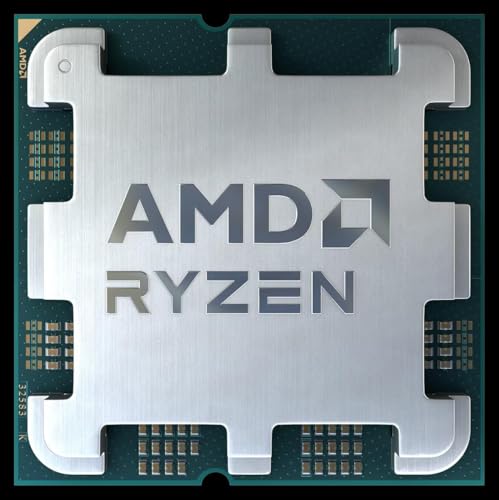
- 6 cores and 12 threads
- 3.7 GHz clock speed
- 32 MB cache; OEM format
Best For: Cost-conscious custom AM5 builds
Best High-End Gaming
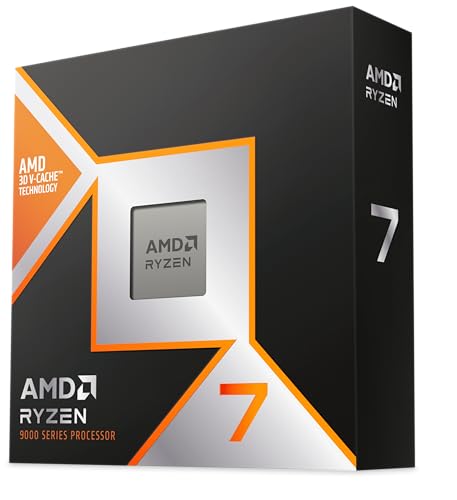
- 8 cores and 16 threads
- 96 MB L3 3D V-Cache
- Up to 5.2 GHz boost
Best For: Enthusiast AM5 gaming systems
Best for Gaming and Creation

- 16 Zen 5 cores
- Up to 5.7 GHz boost
- 144 MB listed cache
Best For: High-end AM5 gaming and content creation
Best Gaming Value

- 8 cores and 16 threads
- 96 MB L3 cache
- Socket AM5 with Radeon Graphics
Best For: Gaming and balanced desktop builds
Best Midrange AM5 Option

- 6 cores and 12 threads
- 96 MB L3 cache
- Supports many AM5 chipsets
Best For: Midrange gaming and desktop builds
Best for Heavy Workloads

- 16 cores and 32 threads
- 5.7 GHz Max Boost
- DDR5-5600 and PCIe 5.0 support
Best For: Content creation and demanding multitasking
Balanced AM5 Performance

- 6 cores and 12 threads
- Up to 5.3 GHz
- Built-in AMD Radeon Graphics
Best For: Midrange AM5 desktops and gaming-focused builds
High-FPS Gaming Pick
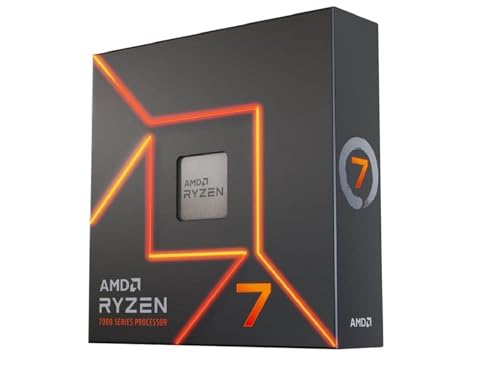
- 8 cores and 16 threads
- Up to 5.4 GHz boost
- Unlocked for overclocking
Best For: AM5 gaming and multitasking systems
12-Core Zen 5 Powerhouse
- 12 cores and 24 threads
- Up to 5.6 GHz boost
- 76 MB cache and DDR5-5600 support
Best For: High-performance AM5 gaming and productivity systems
Best Zen 5 Gaming Value – Ryzen 5 9600X
The AMD Ryzen 5 9600X is a strong choice for shoppers comparing computer processors for AM5. Its six Zen 5 cores, 12 threads, 5.4 GHz maximum boost clock, and DDR5-5600 support are aimed at smooth gaming performance, while the unlocked design leaves room for overclocking.
Best For: Gamers building a balanced AM5 desktop who want high frame rates and current-platform features.
Pros:
- Six cores and 12 threads with Zen 5 architecture
- Up to 5.4 GHz boost clock and unlocked for overclocking
- Supports DDR5-5600 and PCIe 5.0 on select motherboards
- 38 MB total listed cache
Cons:
- Cooler is not included
- Requires an AM5 motherboard and DDR5 memory
The Ryzen 5 9600X is a practical gaming-focused AM5 processor with modern connectivity and useful tuning flexibility. Plan for a separate CPU cooler when budgeting for the build.
Best Budget AM5 Starter – Ryzen 5 7500F
AMD Ryzen 5 7500F - 3.7GHz - 6 Cores - 12 Threads - 32MB Cache Memory - Socket AM5 - OEM
Check Price On AmazonThe AMD Ryzen 5 7500F is a straightforward value option among computer processors for AM5. It provides six cores, 12 threads, a 3.7 GHz clock speed, and 32 MB of cache for a cost-conscious desktop build.
Best For: Budget-minded builders who already have, or plan to buy, a compatible AM5 cooler and motherboard.
Pros:
- Six cores and 12 threads for everyday desktop workloads
- Socket AM5 compatibility
- 32 MB cache memory listed
- OEM format can suit custom system builders
Cons:
- OEM tray version without retail packaging
- Cooler and fan are not included
The Ryzen 5 7500F keeps the core count and AM5 platform entry cost practical. Its OEM presentation and lack of included cooling make it best suited to builders comfortable selecting separate components.
Best High-End Gaming – Ryzen 7 9800X3D
The AMD Ryzen 7 9800X3D is built for shoppers seeking top-tier gaming performance from computer processors for AM5. Its eight Zen 5 cores, 16 threads, next-generation 3D V-Cache, and boost clock of up to 5.2 GHz target demanding gaming systems.
Best For: Enthusiast gamers who want a high-performance AM5 processor and already plan to use an external cooler.
Pros:
- Eight cores and 16 threads using Zen 5 architecture
- 96 MB L3 cache with 3D V-Cache
- Up to 5.2 GHz boost clock
- Drop-in ready for Socket AM5 infrastructure
Cons:
- Cooler is not included
- Requires an external cooling solution
The Ryzen 7 9800X3D is a focused choice for an enthusiast gaming build, pairing additional cores with a large L3 cache. Include a capable external cooler in the overall system plan.
Best for Gaming and Creation – Ryzen 9 9950X3D
The AMD Ryzen 9 9950X3D is the most expansive option here for shoppers comparing computer processors for AM5. With 16 cores, Zen 5 architecture, up to a 5.7 GHz boost clock, and 144 MB of listed cache, it is positioned for both gaming and content creation.
Best For: High-end desktop users who want substantial core capacity for gaming and content-creation workloads.
Pros:
- 16-core Zen 5 desktop processor
- Up to 5.7 GHz boost clock and 4.3 GHz base clock
- 144 MB total listed cache
- Designed for the AM5 platform
Cons:
- 170-watt listed power rating calls for appropriate cooling and system planning
- Cooling solution is not specified as included
The Ryzen 9 9950X3D is suited to buyers who can use its broad core count and large cache. Its 170-watt rating makes motherboard, power, and cooling choices especially important.
Best Gaming Value – Ryzen 7 7800X3D
The AMD Ryzen 7 7800X3D is a strong choice for shoppers comparing computer processors for AM5. Its 8 cores, 16 threads, and 96 MB of L3 cache provide a practical balance for gaming, multitasking, and everyday desktop work.
Best For: Gamers and general-purpose users building an AM5 desktop with substantial cache and integrated graphics.
Pros:
- 8 cores and 16 threads support reliable multitasking.
- 96 MB of L3 cache can improve access to frequently used data.
- 4.20 GHz clock speed and AMD Radeon Graphics controller.
- Uses the Socket AM5 platform and a 5 nm process.
Cons:
- 120-watt design may require appropriate cooling.
- Maximum operating temperature is listed as 89°C.
With its combination of high cache capacity, 8-core performance, and AM5 compatibility, the 7800X3D is an appealing all-around option for a performance-focused desktop build.
Best Midrange AM5 Option – Ryzen 5 7600X3D
AMD RYZEN 5 7600X3D Raphael AM5 4.1GHZ 6-CORE Boxed Processor - HEATSINK NOT Included
Check Price On AmazonThe AMD Ryzen 5 7600X3D is a sensible midrange pick among computer processors for AM5. It combines 6 cores, 12 threads, and 96 MB of L3 cache for capable desktop performance while supporting a broad selection of AM5 chipsets.
Best For: Midrange gaming and desktop builds where 6-core performance and large cache capacity are priorities.
Pros:
- 6 cores and 12 threads provide capable multitasking.
- Includes 96 MB of L3 cache.
- Supports AMD A620, B650, B650E, B840, B850, X670, X670E, X870, and X870E chipsets.
- Supports up to 128GB of DDR5-5200 memory.
Cons:
- Heatsink is not included.
- Its 6-core design offers less parallel capacity than higher-core AM5 processors.
The 7600X3D keeps the feature set focused: substantial L3 cache, current AM5 compatibility, and support for modern DDR5 memory. Plan separately for a compatible heatsink.
Best for Heavy Workloads – Ryzen 9 9950X
The AMD Ryzen 9 9950X is the high-core-count choice among these computer processors for AM5. With 16 cores, 32 threads, Zen 5 architecture, and an up-to-5.7 GHz boost clock, it is designed for demanding creation, gaming, and multitasking workloads.
Best For: Creators, power users, and gamers who can take advantage of 16 cores and 32 processing threads.
Pros:
- 16 cores and 32 threads provide substantial parallel processing capacity.
- 5.7 GHz Max Boost and unlocked overclocking support.
- 80 MB cache and DDR5-5600 memory support.
- Supports the Socket AM5 platform and PCIe 5.0 on select motherboards.
Cons:
- Cooler is not included.
- A liquid cooler is recommended.
- Its 170-watt rating calls for careful cooling and motherboard planning.
The 9950X is best suited to buyers who need maximum multithreaded capacity in an AM5 system. Its cooling requirements and high-power design make it a better fit for deliberate, performance-oriented builds.
Balanced AM5 Performance – Ryzen 5 7600X
The AMD Ryzen 5 7600X is a practical starting point for shoppers comparing computer processors for AM5. Its 6-core, 12-thread design, 5.3 GHz maximum speed, and Socket AM5 compatibility suit responsive everyday computing and gaming-focused builds.
Best For: Midrange AM5 desktops needing strong general-purpose performance.
Pros:
- 6 cores and 12 threads based on the supplied specifications.
- Up to 5.3 GHz clock speed for quick processing.
- Includes AMD Radeon Graphics and supports the Socket AM5 platform.
- 38 MB combined cache is listed in the product details.
Cons:
- The 105-watt processor may require suitable cooling and power planning.
- Warranty information is not provided in the supplied details.
The 7600X is a sensible AM5 choice when you want a capable six-core processor without moving to the higher core counts of the Ryzen 7 or Ryzen 9 options.
High-FPS Gaming Pick – Ryzen 7 7700X
The AMD Ryzen 7 7700X is a strong option among computer processors for AM5 when gaming and multitasking are priorities. Its 8-core, 16-thread Zen 4 design, 5.4 GHz maximum boost, and DDR5-5200 support provide a performance-focused foundation for an AM5 desktop.
Best For: Gaming and multitasking builds that benefit from eight cores.
Pros:
- 8 cores and 16 processing threads based on Zen 4 architecture.
- Up to 5.4 GHz maximum boost and unlocked overclocking support.
- 80 MB cache is stated in the product highlights.
- Supports DDR5-5200 and PCIe 5.0 on select 600 Series motherboards.
Cons:
- A cooler is not included.
- PCIe 5.0 support depends on the motherboard.
- The listed 105-watt rating calls for appropriate cooling and power planning.
Choose the 7700X if you want more CPU headroom than a six-core AM5 chip offers, particularly for demanding games and workloads that can use additional threads.
12-Core Zen 5 Powerhouse – Ryzen 9 9900X
The AMD Ryzen 9 9900X is the most heavily threaded choice in this group of computer processors for AM5. With 12 cores, 24 threads, Zen 5 architecture, and a 5.6 GHz maximum boost, it targets demanding gaming and productivity builds using the Socket AM5 platform.
Best For: High-performance AM5 desktops handling demanding multitasking and creation workloads.
Pros:
- 12 cores and 24 processing threads based on Zen 5 architecture.
- Up to 5.6 GHz maximum boost with unlocked overclocking support.
- 76 MB cache and DDR5-5600 support are listed in the product highlights.
- Supports PCIe 5.0 on select motherboards and includes a three-year manufacturer warranty.
Cons:
- A cooler is not included.
- PCIe 5.0 support depends on the motherboard.
- The 120-watt rating may require robust cooling and power delivery.
The 9900X is the premium pick here for buyers who can use its extra cores and threads, making it better suited to intensive workloads than a basic AM5 gaming build.
How We Picked the Best Computer Processors for Am5
We focused on processors that fit the AMD Socket AM5 platform and cover distinct buyer needs, including budget gaming, mainstream desktops, competitive gaming, streaming, content creation, and heavy multitasking. We considered core and thread counts, boost performance, cache design, platform compatibility, cooling demands, upgrade value, and likely system cost.
AMD’s Ryzen 7000 and Ryzen 9000 families use the AM5 socket, but motherboard BIOS support can vary. Before buying, confirm that your selected B650, B850, X670, X870, or compatible board supports the processor with an appropriate BIOS version.
Quick Comparison
| Best For | Recommended Tier | What to Prioritize |
|---|---|---|
| Affordable gaming | Ryzen 5 7500F or 7600X | Low platform cost and strong six-core performance |
| Balanced gaming and everyday use | Ryzen 5 9600X | Modern efficiency and responsive general performance |
| Gaming-focused systems | Ryzen 7 7800X3D or 9800X3D | Large 3D V-Cache and high frame-rate performance |
| Gaming plus streaming | Ryzen 9 9950X3D | High gaming performance with substantial multicore capacity |
| Content creation | Ryzen 9 9900X or 9950X | More cores for rendering, compiling, and batch workloads |
Key Buying Factors for Computer Processors for Am5
Gaming Performance and Cache
For gaming, strong single-core speed and cache can matter more than maximum core count. X3D models add AMD 3D V-Cache, which can improve performance in many games, especially at CPU-limited settings. A six-core Ryzen 5 remains sufficient for many gaming PCs, while eight cores provide more headroom for streaming and demanding background tasks.
Core Count and Workload Type
Choose 12 or 16 cores for frequent video rendering, 3D work, software compilation, virtual machines, or other heavily threaded tasks. For office work, web use, and most gaming, paying for additional cores may deliver less noticeable benefit than investing in a faster graphics card, more memory, or a better monitor.
Cooling, Power, and Included Hardware
Check the processor’s thermal requirements and budget for an appropriate air cooler or liquid cooler. Many performance-oriented AM5 chips do not include a heatsink, and some listings may be OEM rather than boxed retail products. Confirm warranty terms and cooler compatibility before checkout.
Motherboard and Memory Compatibility
AM5 processors use DDR5 memory, so include RAM and motherboard costs in the budget. A capable B-series board is often enough for a mainstream build, while higher-end connectivity or overclocking features may justify an X-series model. Enable EXPO memory profiles only after confirming system stability.
Who Should Buy Which Computer Processors for Am5?
Buy a Ryzen 5 7500F or 7600X for a cost-conscious gaming build, particularly when most of the budget should go toward the graphics card. Choose the Ryzen 5 9600X for a newer, efficient all-around system. Gamers seeking high frame rates should consider the Ryzen 7 7800X3D or 9800X3D, while the Ryzen 5 7600X3D can suit buyers who want X3D gaming performance at a lower core count.
For mixed gaming and demanding productivity, the Ryzen 9 9900X offers a practical step up in parallel performance. Choose the Ryzen 9 9950X for maximum conventional multicore capacity, or the Ryzen 9 9950X3D when high-end gaming and serious productivity need to coexist. Finally, the Ryzen 7 7700X remains a sensible middle ground for buyers who want eight cores without moving to Ryzen 9 pricing.