The right amplifier can bring greater control, clarity, and scale to passive speakers without forcing you to rebuild your entire audio system. This roundup compares 10 options spanning compact Class D designs, integrated amplifiers, hybrid tube models, and traditional stereo components.
Whether you need a desktop-friendly amp, a high-power home theater solution, or a more distinctive tube presentation, the best choice depends on your speakers, sources, room, and listening priorities.
Best 10 Power Amplifier for Audiophiles Picks for 2026
Balanced Stereo Choice
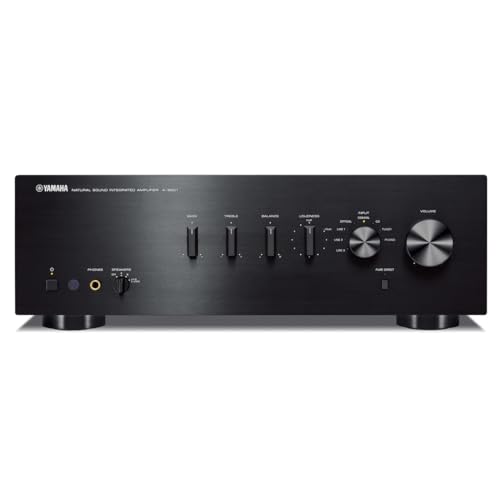
- 85W per channel stereo output
- Optical, coaxial, analog, and phono inputs
- Supports A, B, and A+B speakers
Best For: Traditional stereo systems with turntables and multiple sources
Modular High-Power Pick

- Up to 240W at 4 ohms per mono amp
- Balanced and RCA inputs
- PFFB Class D design with replaceable op-amps
Best For: Modular stereo and multichannel home theater systems
Warm Hybrid All-in-One
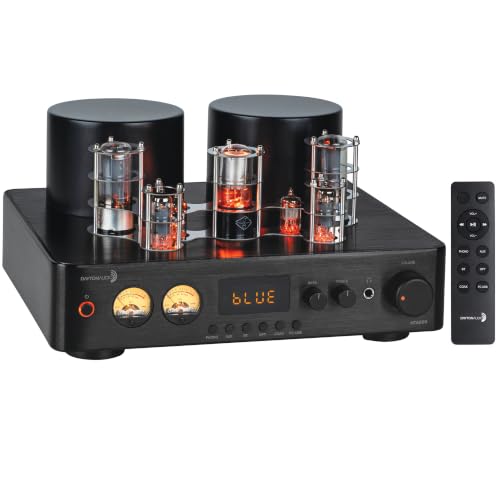
- 100W per channel at 4 ohms
- Tube preamp with Class A/B output
- USB, Bluetooth, phono, optical, and coaxial inputs
Best For: Feature-rich stereo and 2.1 systems with tube character
Streaming-Ready Digital Powerhouse

- 100W per channel at 8 ohms
- High-resolution optical and coaxial playback
- Designed for WiiM streamer integration
Best For: Passive speakers in modern streamer-based systems
Warm Class A Detail

- 10W-per-channel single-ended Class A output
- Hand-wired point-to-point circuitry
- Warm, detailed tube presentation
Best For: Efficient speakers and jazz, classical, or acoustic listening
Connected Hi-Res Power

- ESS9038Q2M DAC with DSD256 support
- Bluetooth, USB, optical, coaxial, and balanced inputs
- TPA3255 Class D output with subwoofer pre-out
Best For: Flexible digital home audio and 2.0/2.1 systems
Compact Monoblock Control
Fosi Audio V3 Mono Power Amplifier

- Up to 240W at 4 ohms per monoblock
- PFFB-equipped TPA3255 Class D design
- Balanced XLR/TRS and RCA inputs
Best For: Expandable stereo, multichannel, and AVR-based systems
Best All-in-One Tube Amp
MC331 Integrated DAC Amplifier
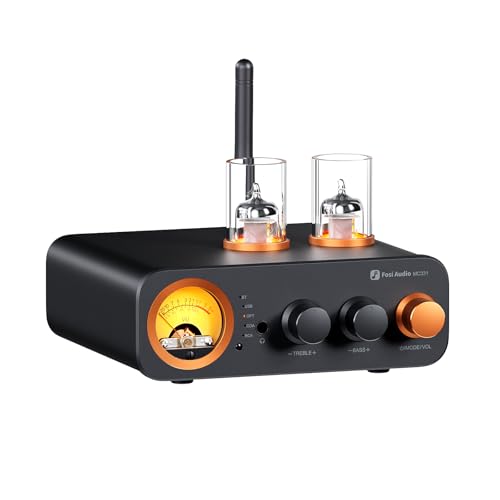
- Integrated DAC, preamp, headphone amp, and power amplifier
- Bluetooth, USB, optical, coaxial, and RCA connectivity
- Up to 105W x2 at 4 ohms with replaceable tubes
Best For: Flexible desktop and bookshelf-speaker systems
Best Flexible Mini Power Amp

- Switches between stereo and mono operation
- Up to 180W stereo or 235W mono output
- Balanced input, trigger control, and swappable op-amps
Best For: Expandable stereo or mono amplifier systems
Best High-Output Compact Amp

- Up to 300W x2 for 2–8-ohm passive speakers
- TPA3255 Class-D design with 48V power supply
- Pre-out, op-amp swapping, and enhanced cooling
Best For: High-output bookshelf, tower, and home-theater systems
Balanced Stereo Choice – Yamaha A-S501BL
The Yamaha A-S501BL is a straightforward choice for audiophiles seeking a traditional power amplifier for audiophiles with integrated stereo functionality. It delivers 85 watts per channel and combines digital, analog, and phono connectivity in a conventional full-size design.
Best For: Stereo listeners who want reliable power, a phono input, and flexible source connections.
Pros:
- 85 watts per channel from 20 Hz to 20 kHz at 0.019% THD
- Includes coaxial, optical, analog, and gold-plated phono inputs
- Supports Speakers A, B, or A+B configurations
Cons:
- Does not include the extensive connectivity of a modern streaming amplifier
- At 22.7 pounds, it is less convenient to move than compact alternatives
The A-S501BL suits a conventional stereo setup where dependable output and broad source compatibility matter more than built-in streaming features.
Modular High-Power Pick – Fosi Audio V3 Mono
The Fosi Audio V3 Mono is a flexible power amplifier for audiophiles building modular stereo or multichannel systems. This two-amplifier package can provide up to 240 watts at 4 ohms per mono amp, making it suitable for passive speakers or for adding power to an AV receiver.
Best For: DIY stereo builders and home theater users who need compact, high-output mono amplification.
Pros:
- Up to 240 watts at 4 ohms per amplifier
- Supports balanced XLR/TRS and RCA inputs
- PFFB Class D design, low stated THD, and replaceable DIP8 op-amps
- Auto signal sensing and chassis-based heat dissipation
Cons:
- Requires a separate preamp, source, or AVR for system control
- Two mono amplifiers mean more components and cabling
With adjustable gain, broad input support, and op-amp customization, the V3 Mono package is especially appealing when system flexibility and speaker-driving capability are priorities.
Warm Hybrid All-in-One – Dayton Audio HTA200
The Dayton Audio HTA200 combines tube preamp character with Class A/B amplification, offering a distinctive option for audiophiles comparing a power amplifier for audiophiles with a more complete integrated system. It supplies 100 watts per channel at 4 ohms and accepts both digital and analog sources.
Best For: Listeners who want tube-inflected sound, broad connectivity, and convenient stereo system controls.
Pros:
- Hybrid tube and Class A/B design with 100 watts per channel at 4 ohms
- Bluetooth 5.0, USB DAC, optical, coaxial, AUX, and phono inputs
- Dedicated subwoofer output and headphone jack
- Includes VU meters, tone controls, and a wireless remote
Cons:
- Its integrated feature set may be unnecessary for a separate-component system
- Tube-based operation may not suit listeners seeking a strictly solid-state presentation
The HTA200 is a practical centerpiece for a flexible 2.1 setup, particularly if you value built-in source selection and a vintage-inspired tube presentation.
Streaming-Ready Digital Powerhouse – WiiM Vibelink Amp
The WiiM Vibelink Amp is a compact power amplifier for audiophiles who already have a streamer or digital source. It drives passive speakers at up to 100 watts per channel into 8 ohms or 200 watts into 4 ohms, while its digital inputs support high-resolution playback.
Best For: WiiM streamer owners and listeners upgrading passive speakers with a focused, modern amplifier.
Pros:
- Up to 100 watts per channel at 8 ohms and 200 watts at 4 ohms
- ESS DAC, PFFB technology, and TI TPA3255 amplifier chip
- Optical, coaxial, and direct analog inputs with 192kHz/24-bit digital support
- Includes 12V trigger, auto standby, and anti-pop design
Cons:
- It is a pure power amplifier and does not provide built-in streaming
- RCA input output is rated at 60 watts, lower than digital-input output
- Warranty coverage is listed as one year
The Vibelink Amp makes the most sense in a separates-based setup: pair it with a WiiM streamer or another source, then let the amplifier focus on driving passive speakers.
Warm Class A Detail – Oldchen EL34 Tube Amplifier
For listeners seeking a power amplifier for audiophiles with a distinctly organic presentation, the Oldchen EL34 is a 10-watt-per-channel single-ended Class A tube amplifier. Its EL34C, 5U4G, and 6SN7GT tube complement is aimed at warm, detailed playback, while hand-wired point-to-point circuitry and custom transformers support a clean, expressive signal path.
Best For: Audiophiles with 88dB-or-higher bookshelf or floor-standing speakers who primarily enjoy jazz, classical, acoustic music, and vocal recordings.
Pros:
- Warm, rich, detailed single-ended Class A tube sound.
- Hand-wired point-to-point construction with Teflon silver-plated wiring.
- Premium components, including Japanese Z11-steel transformers and an ALPS potentiometer.
- Supports 4-ohm and 8-ohm speakers with banana, spade, or bare-wire connections.
Cons:
- 10 watts per channel may not suit inefficient speakers or very large rooms.
- Tube amplification requires tube-based maintenance and setup considerations.
- Its warm voicing may not appeal to listeners seeking a strictly neutral presentation.
The Oldchen is a focused choice for a compact, speaker-matched tube system. It prioritizes Class A texture and craftsmanship over high output, making speaker sensitivity and listening-room size important buying considerations.
Connected Hi-Res Power – AIYIMA A80 DAC Amplifier
The AIYIMA A80 is a versatile power amplifier for audiophiles who want modern connectivity in a single component. It combines a TPA3255 Class D amplifier with an ESS9038Q2M DAC, Bluetooth, USB, optical, coaxial, and balanced TRS inputs, plus a subwoofer pre-out for flexible 2.0 or 2.1 systems.
Best For: Desktop and home audio listeners who need one compact amplifier for digital sources, TV, Bluetooth devices, and high-resolution music playback.
Pros:
- Integrated ESS9038Q2M DAC supports DSD256 and high-resolution PCM.
- Multiple inputs include Bluetooth, USB, optical, coaxial, and TRS balanced.
- High-power TPA3255 Class D design with stated output up to 300W x 2.
- Includes subwoofer pre-out, 12V trigger, tone controls, remote, and digital VU display.
Cons:
- Its many functions may be unnecessary for a simple analog-only system.
- Maximum output depends on system configuration and connected speakers.
- The compact integrated design may be less appealing to buyers seeking separate components.
The A80 stands out as an all-in-one solution rather than a minimalist power-only amplifier. Its combination of DAC, connectivity, control features, and Class D output makes it particularly practical for mixed music and home-theater setups.
Compact Monoblock Control – Fosi Audio V3 Mono Power Amplifier
For building a scalable system, the Fosi Audio V3 Mono is a power amplifier for audiophiles that dedicates one TPA3255 Class D amplifier to each passive speaker. With up to 240 watts at 4 ohms, RCA and balanced XLR/TRS inputs, and PFFB technology, it can work as a standalone monoblock or add output capacity to a home-theater AVR.
Best For: Audiophiles assembling two- or multi-channel systems, or AVR owners who want compact external amplification for demanding passive speakers.
Pros:
- Monoblock design delivers up to 240 watts at 4 ohms per amplifier.
- PFFB technology is designed to reduce load dependency and improve frequency response.
- Supports balanced XLR/quarter-inch TRS and RCA single-ended inputs.
- Offers signal-sensing power mode, substantial cooling, and replaceable DIP8 op-amps.
Cons:
- One unit powers one speaker, so stereo operation requires two amplifiers.
- Requires the included 48V/5A power supply and suitable system connections.
- Op-amp customization may be unnecessary for users who prefer plug-and-play operation.
The V3 Mono is a strong fit when system expansion and high output matter more than an all-in-one feature set. Its compact chassis and input flexibility make it easy to integrate, while the monoblock format requires planning for the number of channels needed.
Best All-in-One Tube Amp – MC331 Integrated DAC Amplifier
The Fosi Audio MC331 is a practical choice for audiophiles who want a power amplifier setup with source flexibility in a compact chassis. It combines a DAC, preamplifier, headphone amplifier, Bluetooth, USB, optical, coaxial, and RCA inputs, plus a tube stage and VU meter for a retro-inspired presentation.
Best For: Desktop listeners and small home audio systems that need an integrated amplifier with digital inputs, headphone support, and bookshelf-speaker drive.
Pros:
- Combines DAC, amplifier, preamp, and headphone amplifier functions.
- Supports Bluetooth, USB, optical, coaxial, and RCA sources.
- Delivers up to 105W x2 at 4 ohms and includes a pre-out.
- Replaceable tubes, remote control, and adjustable bass and treble add flexibility.
Cons:
- Its 1.4-pound compact design is better suited to bookshelf or desktop systems than large installations.
- Turntable use requires a built-in phono preamp.
The MC331 stands out when convenience and system versatility matter as much as amplification. Choose it if you want one compact component to handle multiple sources, headphones, and powered bookshelf speakers.
Best Flexible Mini Power Amp – ZA3 Balanced Stereo Amplifier
The Fosi Audio ZA3 is a strong option for audiophiles seeking a compact power amplifier that can adapt as a system grows. Its switchable stereo and mono modes, balanced XLR/TRS input, 12V trigger, and included 48V power supply make it suitable for both straightforward stereo systems and more ambitious configurations.
Best For: Listeners who want compact stereo power now with the option to use two units in mono for a higher-output system later.
Pros:
- Provides up to 180W in stereo mode or 235W in mono mode.
- Balanced XLR/TRS input helps minimize interference and noise.
- Includes a 12V trigger input for synchronized system control.
- Swappable op-amps allow sound experimentation and customization.
Cons:
- The 48V power supply is required for the stated maximum output.
- Op-amp rolling requires compatible components and additional setup.
With its mono-stacking capability and balanced connectivity, the ZA3 is the more expandable choice in this group. It suits buyers who want a small amplifier without giving up future configuration options.
Best High-Output Compact Amp – V3 600W Class-D Amplifier
The Fosi Audio V3 is designed for audiophiles who want substantial power from a small, straightforward component. Using a TPA3255 Class-D amplifier and a 48V power supply, it can deliver up to 300W x2 for compatible 2–8-ohm passive speakers while retaining a compact footprint for desktop, bookshelf, or home-theater use.
Best For: Listeners driving passive bookshelf, tower, or home-theater speakers who want high output and a minimalist two-channel design.
Pros:
- Offers up to 300W x2, or 600W total, with the 48V supply.
- Supports 2–8-ohm speakers in a compact chassis.
- Top-and-bottom vents and a full-body heatsink support heat dissipation.
- Volume-controlled pre-out and swappable NE5532 op-amps add flexibility.
Cons:
- Its minimalist design provides fewer built-in source connections than an integrated amplifier.
- Achieving the advertised maximum output requires the 48V power supply.
The V3 is the straightforward power-focused pick for systems that already have a source or preamp. It offers the highest stated stereo output here, along with a pre-out and component-level customization for enthusiasts.
How We Picked the Best Power Amplifier for Audiophiles
We focused on amplifier design, usable output, connectivity, system flexibility, and the type of listening experience each model is intended to provide. The selection includes integrated amplifiers with built-in source features, dedicated stereo and monoblock power amplifiers, tube and hybrid designs, and compact Class D components.
We also considered practical details such as speaker compatibility, balanced and unbalanced inputs, digital audio support, phono connectivity, subwoofer integration, headphone output, size, and upgrade potential. Power ratings are useful for comparison, but real-world performance also depends on impedance, sensitivity, power-supply design, and listening-room demands.
Quick Comparison
- Best for a traditional stereo system: Yamaha A-S501BL
- Best for compact high-power setups: Fosi Audio V3 Mono or ZA3
- Best for digital-source convenience: WiiM Vibelink Amp or AIYIMA A80
- Best for tube enthusiasts: Oldchen EL34 or Fosi Audio MC331
- Best for an all-in-one hybrid system: Dayton Audio HTA200
Key Buying Factors for a Power Amplifier for Audiophiles
Power and Speaker Matching
Choose an amplifier that suits your speakers’ nominal impedance and sensitivity. Efficient bookshelf or horn speakers may need relatively little power, while large, inefficient floorstanders and demanding home theater systems benefit from greater current reserves. More wattage is not automatically better if the amplifier is poorly matched to the speakers or room.
Amplifier Type
Class D models are typically compact, efficient, and powerful, making them strong choices for desks, apartments, and modern multi-component systems. Traditional solid-state amplifiers can offer familiar controls and robust connectivity. Tube and hybrid amplifiers appeal to listeners who prefer a warmer presentation and distinctive design, but tubes require more maintenance and may deliver less power.
Inputs and System Features
Check whether you need Bluetooth, USB, optical, coaxial, RCA, XLR, phono, or a subwoofer output. A built-in DAC can simplify a digital setup, while balanced inputs may help reduce noise over longer cable runs. A pre-out or 12-volt trigger is useful when adding a subwoofer, external preamp, or other system components.
Size, Cooling, and Upgrade Plans
Measure your shelf or desktop and leave adequate ventilation around the amplifier. Compact models are convenient, but some high-output designs still need space for heat dissipation. If you expect to upgrade later, consider a model that can operate as a stereo amplifier, monoblock, or power stage within a larger system.
Who Should Buy Which Power Amplifier for Audiophiles?
Choose the Yamaha A-S501BL if you want a conventional, straightforward integrated stereo amplifier. The Fosi Audio V3 Mono models and ZA3 are better suited to listeners building compact, high-power systems or experimenting with monoblock operation. The WiiM Vibelink Amp and AIYIMA A80 fit digital-first systems where convenience and a small footprint matter.
For a tube-focused setup, consider the Oldchen EL34; for a hybrid design with more modern source options, the Dayton HTA200 or Fosi Audio MC331 may be more versatile. Finally, the Fosi Audio V3 Stereo is a practical choice for listeners who want substantial Class D power in one compact stereo component.