Choosing among audio interfaces with four inputs can make it easier to record multiple microphones, instruments, or line-level sources without immediately moving to a large rackmount system.
These 10 options cover musicians, podcasters, streamers, and expanding home studios, with differences in connectivity, monitoring, preamp count, portability, and future upgrade potential.
Best 10 Audio Interfaces with Four Inputs Picks for 2026
Best Studio Hub
Focusrite Scarlett 4i4 4th Gen

- Two mic preamps, two Hi-Z inputs, and four line inputs
- Auto Gain, Clip Safe, Air modes, and MIDI I/O
- 24-bit/192kHz support with bundled recording software
Best For: Home studios with varied microphones, instruments, and line-level gear
Best RCA Distribution Tool

- Routes one or two stereo RCA inputs to four outputs
- Independent input and output volume controls
- Metal housing with shielded RCA ports
Best For: Analog stereo distribution among speakers, subwoofers, and amplifiers
Best Value 4x4 Interface

- Four MIDAS-designed mic preamps with phantom power
- 24-bit/192kHz audio with four inputs and four outputs
- USB, MIDI I/O, and compatibility with major DAWs
Best For: Multi-microphone home recording and MIDI-equipped studios
Best Complete Starter Bundle

- Includes Scarlett 4i4 4th Gen and closed-back headphones
- Adds two instrument and two microphone cables
- Features Air mode, Loopback, Easy Start, and gain halos
Best For: First-time home recording setups needing core accessories
Best for Flexible Recording

- Four combo inputs with low-noise preamps
- Music and Streaming modes
- Direct monitoring, loopback, and battery support
Best For: Portable recording and livestreaming with four inputs
Best for Guitar-Centered Setups
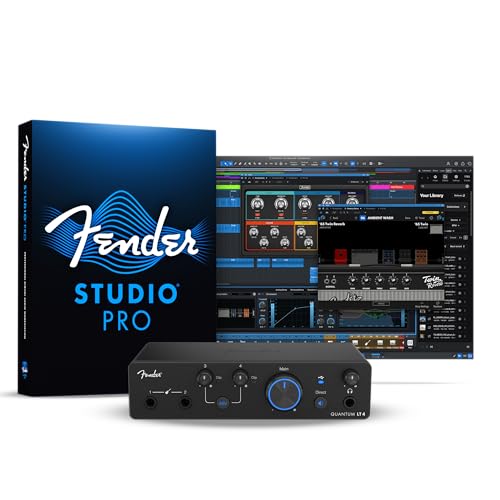
- Two 75 dB mic preamps
- Two dedicated instrument inputs
- Loopback and low-latency drivers
Best For: Guitarists and small instrument-focused recording setups
Best for Expansion
Focusrite Scarlett 16i16 4th Gen

- 16-in/16-out connectivity
- ADAT, S/PDIF, MIDI, and line inputs
- Auto Gain and Clip Safe workflow tools
Best For: Expandable home studios and production setups
Best Expandable Four-Preamp Pick
Focusrite Scarlett 18i16 4th Gen

- Four mic preamps plus Hi-Z and line inputs
- 18-in/16-out connectivity with ADAT, S/PDIF, and MIDI
- Auto Gain, Clip Safe, and 24-bit/192kHz conversion
Best For: Producers needing four preamps and studio expansion
Best Compact Starter Pick
Focusrite Scarlett 2i2 4th Gen

- Two mic preamps and two Hi-Z instrument inputs
- 24-bit/192kHz recording with 120dB dynamic range
- Auto Gain, Clip Safe, and Air modes included
Best For: Solo artists and small recording setups
Best Studio Hub – Focusrite Scarlett 4i4 4th Gen
The Focusrite Scarlett 4i4 4th Gen is a versatile choice among audio interfaces with four inputs, combining two mic preamps, two Hi-Z instrument inputs, four line inputs, and four outputs. Its 24-bit/192kHz support, MIDI connectivity, and level-management features make it practical for a growing home studio.
Best For: Musicians recording microphones, guitars, synths, and drum machines.
Pros:
- Offers two mic preamps, two Hi-Z inputs, four line inputs, and four line outputs.
- Includes Auto Gain and Clip Safe to help set levels and reduce clipping.
- Provides Air modes, MIDI I/O, 120dB dynamic range, and bundled recording software.
Cons:
- Its broad feature set may be more than a simple two-input setup requires.
- The included USB-C power supply and cables may require extra planning for some setups.
Choose this model if you need flexible routing and room to connect several types of gear. It is especially appealing for producers who want modern recording conveniences without giving up line and MIDI connectivity.
Best RCA Distribution Tool – 2 In 4 Out RCA Audio Splitter
This 2-in/4-out RCA unit is a line-level distributor rather than a USB recording interface, but it can suit buyers comparing audio interfaces with four inputs for analog routing. It accepts one or two stereo RCA inputs, sends audio to four outputs, and adds independent volume controls.
Best For: Distributing or blending RCA audio between speakers, subwoofers, amplifiers, and other line-level equipment.
Pros:
- Distributes one or two RCA L/R inputs to four RCA outputs.
- Provides independent volume control for input and output lines.
- Metal housing and shielded RCA ports are designed to help limit interference.
Cons:
- It does not provide USB connectivity, microphone preamps, MIDI, or computer recording features.
- Its RCA line-level design is not a substitute for a four-input studio interface.
This is best viewed as an analog routing and mixing accessory. If your priority is connecting RCA playback equipment to multiple destinations, its straightforward controls and gain function may be useful; for recording microphones or instruments, look elsewhere.
Best Value 4×4 Interface – Behringer U-PHORIA UMC404HD
The Behringer U-PHORIA UMC404HD is a direct fit for shoppers seeking audio interfaces with four inputs for microphone and instrument recording. It combines four MIDAS-designed mic preamps with 24-bit/192kHz conversion, four outputs, MIDI I/O, and USB connectivity.
Best For: Home recording setups that need four mic preamps and MIDI connectivity.
Pros:
- Includes four mic preamps with +48V phantom power.
- Supports 24-bit/192kHz audio and four inputs/four outputs.
- Works with popular software including Pro Tools, Ableton Live, and Cubase.
Cons:
- The supplied operating-system details are older and list Windows XP or higher.
- The notes identify USB connectivity but do not specify a USB-C connection.
With four preamps in a rack-friendly 4×4 layout, the UMC404HD is suited to recording several microphones or instruments at once. Its impact-resistant metal chassis and MIDI I/O add practical value for a compact studio system.
Best Complete Starter Bundle – Focusrite Scarlett 4i4 Bundle
This Scarlett 4i4 bundle is a convenient entry point for buyers seeking audio interfaces with four inputs and the accessories to begin recording. Alongside the interface, it includes closed-back studio headphones, two instrument cables, and two microphone cables.
Best For: New musicians and home recordists who need an interface, monitoring headphones, and basic cables together.
Pros:
- Bundles the Scarlett 4i4 4th Gen with headphones and four useful cables.
- Includes Air mode, Loopback, Easy Start guidance, and Dynamic Gain Halos.
- Provides virtual inputs for sending stereo audio from music apps to a DAW.
Cons:
- The supplied notes do not list the interface’s complete input/output specifications.
- Bundled accessories may be unnecessary if you already own headphones and cables.
The main advantage here is convenience: the bundle reduces the extra purchases needed to start recording. It makes sense for a first studio setup, while experienced users should compare the included accessories with what they already have.
Best for Flexible Recording – Zoom AMS-44
The Zoom AMS-44 is a practical choice among audio interfaces with four inputs, offering four XLR/TRS combo inputs, four outputs, low-noise preamps, and 48V phantom power. Its Music and Streaming modes make it useful for both multitrack recording and straightforward livestreaming.
Best For: Musicians, podcasters, and streamers who need four inputs with flexible routing and portable power options.
Pros:
- Four combo inputs with four low-noise preamps and 48V phantom power.
- Music and Streaming modes simplify recording or combining inputs for livestreams.
- Direct monitoring and loopback work without extra software.
- Can run from USB-C, an external supply, or two AA batteries.
Cons:
- The supplied details specify a one-year replacement warranty.
- Battery operation requires two AA batteries.
The AMS-44 stands out when portability and easy streaming are priorities. Its four-input, four-output layout also suits recording setups that need more than a basic two-channel interface.
Best for Guitar-Centered Setups – Fender Quantum LT 4
The Fender Quantum LT 4 is a four-input USB-C interface designed for creators who need two microphone preamps alongside two dedicated instrument inputs. With low-latency drivers, loopback, balanced outputs, and a headphone amp, it covers recording, monitoring, and streaming in a compact unit.
Best For: Guitarists, bassists, and small recording setups that need two mic channels plus two instrument inputs.
Pros:
- Combines two MAX-HD mic preamps with 75 dB of gain and two instrument inputs.
- Custom low-latency drivers support responsive recording and monitoring.
- Loopback, balanced TRS outputs, and a powerful headphone amp support streaming workflows.
- Includes access to Fender amp and effects software after registration.
Cons:
- Only two of the four inputs are microphone preamp inputs.
- The Fender Studio Pro trial and amp/effects access require registration.
Choose the Quantum LT 4 if your four-input setup centers on guitar, bass, or other instrument sources. Its input arrangement is less general-purpose than four mic preamps, but particularly well matched to singer-guitarist and instrument-focused workflows.
Best for Expansion – Focusrite Scarlett 16i16 4th Gen
The Focusrite Scarlett 16i16 4th Gen is an expandable studio hub rather than a basic four-input interface. It provides two mic preamps, two Hi-Z inputs, six line inputs, ADAT, S/PDIF, and MIDI, making it a strong option for producers who expect their recording system to grow.
Best For: Producers and home studios that need extensive I/O, digital expansion, and multiple connection formats.
Pros:
- Offers 16 inputs and 16 outputs with ADAT, S/PDIF, and MIDI connectivity.
- Includes two mic preamps, two Hi-Z inputs, and six line inputs.
- 24-bit/192kHz converters provide a 122dB dynamic range.
- Auto Gain, Clip Safe, and Air modes support a streamlined recording workflow.
Cons:
- It is more extensive than needed for buyers seeking only four basic inputs.
- Uses an external power supply rather than being described as bus powered.
The Scarlett 16i16 makes the most sense when four-input recording is only the starting point. Its broad analog and digital connectivity, plus bundled recording software, gives a growing studio room to add equipment without replacing the interface.
Best Budget Four-Input Pick – Depusheng 4-Channel USB Interface
If you need audio interfaces with four inputs for home recording, the Depusheng 4-Channel USB Interface offers four combo inputs for microphones, guitars, and line-level sources. It supports recording up to 24-bit/192kHz and includes +48V phantom power, Hi-Z switches, and direct or DAW monitoring.
Best For: Beginners and home-studio users who need four simultaneous inputs at a practical price.
Pros:
- Four combo inputs with XLR and 1/4-inch connectivity for varied sources.
- 24-bit/192kHz recording with ASIO drivers for low-latency monitoring.
- Includes +48V phantom power, headphone output, and four TS main outputs.
- Works with PC/Mac recording software, including major DAWs such as Pro Tools and Ableton.
Cons:
- The supplied details list Windows for the operating system, while compatibility is also described as PC/Mac.
- Its feature set is focused on core four-channel recording rather than expanded digital I/O.
The Depusheng is a straightforward choice when four physical inputs matter more than advanced routing or expansion. ASIO support, phantom power, and multiple monitoring options make it well suited to basic multi-source sessions.
Best Expandable Four-Preamp Pick – Focusrite Scarlett 18i16 4th Gen
For users comparing audio interfaces with four inputs who also need room to expand, the Focusrite Scarlett 18i16 4th Gen provides four mic preamps alongside two Hi-Z inputs, eight line inputs, ADAT, S/PDIF, and MIDI. Its 18-in/16-out design is built for more involved recording and production setups.
Best For: Producers and project studios that need four mic preamps plus extensive routing and expansion options.
Pros:
- Four mic preamps with up to 69dB of gain, plus two Hi-Z and eight line inputs.
- Offers ADAT, S/PDIF, and MIDI connectivity for a broader studio workflow.
- 24-bit/192kHz converters with a stated 122dB dynamic range.
- Auto Gain and Clip Safe help set levels and reduce clipping during recording.
Cons:
- Its 18-input/16-output feature set may be more than a simple four-input setup requires.
- Uses an external power supply rather than relying solely on USB power.
The Scarlett 18i16 is the strongest fit here for a growing studio. It costs complexity in exchange for substantial I/O, digital expansion, MIDI, and workflow tools that can remain useful well beyond basic four-microphone recording.
Best Compact Starter Pick – Focusrite Scarlett 2i2 4th Gen
How We Picked the Best Audio Interfaces with Four Inputs
We selected products based on input flexibility, output options, recording quality, monitoring features, computer connectivity, and suitability for common home-studio workflows. The list includes purpose-built USB interfaces as well as larger models that may be useful when a four-input setup needs expansion later.
We also considered practical features such as phantom power, direct monitoring, MIDI, loopback, instrument-level inputs, bundled accessories, and compatibility with macOS and Windows. Some listings are mixers or signal distributors rather than conventional four-input recording interfaces, so check the specifications carefully before buying.
Quick Comparison
| Best For | What to Prioritize | Models to Consider |
|---|---|---|
| Solo musicians and small recording sessions | Two mic preamps plus instrument inputs | Focusrite Scarlett 4i4, Zoom AMS-44 |
| Podcasts and streaming | Loopback, easy monitoring, and simple controls | Zoom AMS-44, Focusrite Scarlett 4i4 |
| Budget home studios | Basic 4×4 connectivity and phantom power | Behringer UMC404HD, Depusheng interface |
| Expandable production setups | ADAT, S/PDIF, MIDI, and additional line inputs | Focusrite Scarlett 16i16, Scarlett 18i16 |
Key Buying Factors for Audio Interfaces with Four Inputs
Input Types and Preamps
Count the inputs you can use simultaneously, not just the number shown in a product name. Combo inputs may accept microphones, line sources, or instruments, while dedicated line inputs are better for keyboards, mixers, and external preamps. If you plan to record several microphones, verify how many inputs include microphone preamps and whether phantom power can be applied as needed.
Outputs and Monitoring
Four inputs are most useful when paired with enough outputs for headphones, speakers, cue mixes, or external hardware. Direct monitoring can reduce latency while recording, whereas loopback is valuable for livestreaming, software playback, and podcast production.
Connection, Power, and Expansion
USB-C or USB connectivity determines how the interface connects to your computer, but the port does not necessarily indicate a faster recording protocol. Bus-powered models are convenient for mobile work. For long-term flexibility, look for MIDI, ADAT, or S/PDIF if you expect to add converters or external equipment.
Driver Stability and Recording Quality
Bit depth and sample-rate claims matter, but dependable drivers, low-latency performance, and clean preamps usually matter more in everyday use. Confirm operating-system support and included software before purchasing.
Who Should Buy Which Audio Interfaces with Four Inputs?
Choose a compact four-input interface such as the Scarlett 4i4 or AMS-44 if you record a small band, two speakers, multiple instruments, or a podcast with room to grow. The UMC404HD is appealing when you want broad connectivity at a lower price. A bundled Scarlett package may suit beginners who also need headphones.
For studios expecting more microphones, synthesizers, or outboard gear, the Scarlett 16i16 or 18i16 offers a stronger upgrade path than a basic four-input unit. The Fender Quantum LT is worth considering for USB-C production workflows and instrument-focused recording. Be cautious with the splitter and basic interfaces: they may fit simple line-distribution or entry-level needs, but they are not interchangeable with a full multichannel recording interface.