Choosing the right microphone can make spoken audio sound clearer, fuller, and more consistent without requiring a complicated studio setup. The best dynamic microphones with built-in preamps combine focused voice capture with extra output, helping reduce the need for a separate inline booster or high-gain interface.
We compare 10 options suited to podcasters, streamers, gamers, broadcasters, and home-recording users. The lineup includes USB and XLR models, wireless flexibility, onboard controls, and microphones designed for demanding vocal applications.
Best 10 Dynamic Microphones with Built in Preamp Picks for 2026
Top Pick

- Selectable +18 dB or +28 dB onboard gain
- Warm SM7B-style vocal sound
- Cardioid pickup with EQ controls
Best For: Streamers and podcasters wanting a simplified XLR setup
Most Versatile

- Wireless, USB, and XLR connectivity
- Up to 60 hours of battery life
- Supports two-mic wireless conversations
Best For: Creators recording across computers, phones, and cameras
Classic Choice

- Warm, balanced dynamic vocal sound
- Cardioid design with pop filtering
- Needs at least 60 dB of gain
Best For: Established XLR setups with ample preamp gain
Best Complete Setup

- Switchable +30 dB preamp with 48V power
- Six EQ configurations for voice shaping
- Integrated shockmount and pop filter
Best For: Podcasters wanting an accessory-ready XLR setup
Best USB/XLR Value

- USB plug-and-play recording with mute and monitoring
- Cardioid dynamic pickup for gaming and streaming
- XLR upgrade path plus customizable RGB lighting
Best For: Beginner gamers, streamers, and podcasters
Best True Built-In Preamp
sE Electronics DynaCaster DCM6

- Switchable 30 dB clean gain via 48V phantom power
- Integrated pop filter and shockmount
- Speech-focused cardioid XLR design
Best For: Interface-based podcasting, broadcasting, and voiceover
Best Smart Hybrid

- USB-C and XLR connectivity for flexible setups
- Auto Level and real-time denoising over USB
- LED touch panel with mute and level monitoring
Best For: Creators wanting automated USB recording with XLR flexibility
Best with Extra Features

- USB-C output with high-gain internal preamp
- XLR connectivity for mixers and interfaces
- Includes stand, two pop filters, mute, and monitoring
Best For: Podcasters and streamers wanting flexible USB recording
Best Gaming Setup

- USB plug-and-play and XLR connectivity
- Includes boom arm, mute, gain, and headphone controls
- Customizable RGB lighting for gaming setups
Best For: Gamers and streamers wanting an accessory-rich kit
Best Premium Built-In Preamp
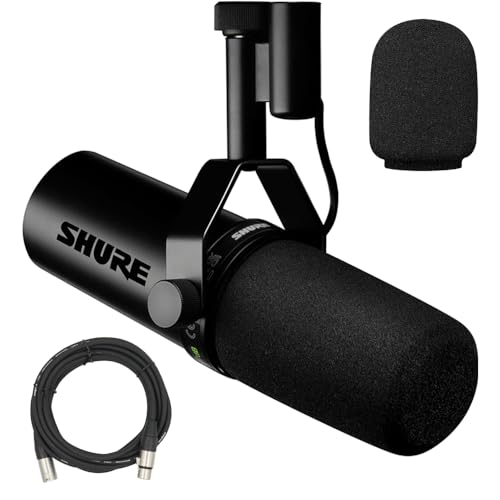
- Selectable +18 dB or +28 dB onboard gain
- Preamp can be bypassed for original SM7B output
- Classic cardioid vocal sound with included XLR cable
Best For: Serious podcasters and vocal creators needing adjustable gain
Top Pick – Shure SM7dB
The Shure SM7dB is one of the most straightforward dynamic microphones with built in preamp for creators who want the familiar SM7B sound without adding an external gain booster. Its selectable +18 dB or +28 dB of onboard gain, cardioid pickup, and tone-shaping switches make it a practical choice for podcasting, streaming, and vocal recording.
Best For: Streamers, podcasters, and vocalists seeking a polished XLR setup with integrated gain.
Pros:
- Built-in selectable preamp reduces the need for extra gain equipment.
- Warm, natural vocal character based on the SM7B design.
- Cardioid isolation, shock protection, and electromagnetic shielding help maintain clean recordings.
- Rear-panel bass roll-off and presence boost provide useful tone control.
Cons:
- Requires XLR connectivity and corded power.
- Its 2.7-pound metal construction may be substantial for smaller mounting setups.
The SM7dB is a strong all-around option when you want broadcast-style vocal sound and a simplified signal chain. It offers more built-in control than a conventional passive dynamic mic while retaining the rugged studio-focused design associated with the SM7B family.
Most Versatile – MAONO PD200W
The MAONO PD200W stands out among dynamic microphones with built in preamp for its flexible wireless, USB, and XLR connectivity. It is designed for creators who may record at a desk, with a phone or camera, or through a traditional audio interface, while also offering app-based sound adjustments and wireless operation.
Best For: Mobile creators, streamers, and interview hosts who need wireless and wired recording options.
Pros:
- Supports wireless, USB, and XLR connections for broad device compatibility.
- Up to 60 hours of battery life and a stated 60-meter wireless range.
- Two-microphone wireless receiver support can suit interviews and duo podcasts.
- MaonoLink provides preset modes plus EQ and reverb adjustments.
Cons:
- Camera and Lightning accessories are sold separately.
- Its feature-rich wireless system may be more setup than a simple XLR-only microphone requires.
Choose the PD200W if flexibility matters as much as vocal capture. Its dynamic capsule, cardioid design, noise reduction, and multiple connection methods make it particularly useful for creators working across computers, smartphones, cameras, and audio interfaces.
Classic Choice – Shure SM7B
The Shure SM7B remains a respected dynamic vocal microphone for podcasting, streaming, voiceover, and studio work. It is not a microphone with a built-in preamp, so buyers should pair it with an interface or preamp capable of providing at least 60 dB of gain for the familiar warm, balanced output.
Best For: Experienced creators and recording setups that already include a strong-gain XLR interface or external preamp.
Pros:
- Warm, balanced vocal response suits speech, singing, and voiceover.
- Cardioid pickup and air suspension help reduce room sound and handling vibration.
- Built-in pop filtering and included windscreens help control plosives and breath noise.
- Rugged metal construction and electromagnetic shielding support dependable studio use.
Cons:
- No built-in preamp; at least 60 dB of gain is recommended.
- May require additional equipment for lower-gain interfaces.
The SM7B is best viewed as the traditional reference point rather than the simplest plug-in option. Its sound and construction remain compelling, but the required gain should be part of the buying decision—especially when comparing it with dynamic microphones with built in preamp.
Best Complete Setup – sE DynaCaster DCM8
The sE Electronics DynaCaster DCM8 is a practical pick among dynamic microphones with built in preamp for creators who want gain, mounting support, and pop protection in one package. Its switchable +30 dB preamp uses 48V phantom power, while six EQ configurations allow you to shape vocals before recording or streaming.
Best For: Podcasters and streamers who want an integrated XLR microphone setup with hardware tone controls.
Pros:
- Switchable +30 dB clean gain helps low-output interfaces.
- Six EQ configurations provide flexible voice shaping before processing.
- Integrated shockmount and three-layer pop filter reduce vibration and plosives.
- Cardioid capsule handles vocals and high-SPL sources such as guitar amps, drums, and bass.
Cons:
- The preamp requires 48V phantom power.
- XLR connectivity limits it to compatible interfaces, mixers, or camera setups.
The DynaCaster offers a particularly complete creator-focused package. Compared with a bare microphone, it adds gain, EQ choices, pop filtering, and shock isolation without requiring as many separate accessories, making it well suited to voice-first recording environments.
Best USB/XLR Value – FIFINE AmpliGame AM8
The FIFINE AmpliGame AM8 is a practical choice for creators who want a dynamic microphone with built in preamp-style convenience through USB, while retaining an XLR upgrade path. Its cardioid pickup, mute control, headphone monitoring, and RGB lighting make it especially suited to gaming and streaming setups.
Best For: Beginner gamers, streamers, and podcasters who want plug-and-play USB recording with optional XLR connectivity.
Pros:
- USB connection supports direct computer use, tap-to-mute, headphone monitoring, and gain control.
- Cardioid dynamic design helps reject unwanted off-axis noise and keeps speech intelligible.
- Offers both USB convenience and an XLR upgrade path, with built-in 3/8-inch and 5/8-inch threads.
- Controllable RGB lighting adds customization for gaming spaces when using USB.
Cons:
- XLR cable is not included.
- RGB, mute-function key, and other onboard controls are unavailable over XLR.
- Recommended recording distance is relatively close, at about 2 to 6 inches.
The AM8 is a flexible entry-level option when USB simplicity matters now but an interface-based setup may come later. It is not a true XLR microphone with an integrated preamp, so buyers specifically seeking built-in XLR gain should consider the other options.
Best True Built-In Preamp – sE Electronics DynaCaster DCM6
The sE Electronics DynaCaster DCM6 is the most direct match for shoppers seeking dynamic microphones with built in preamp capability. Its switchable 30 dB of clean gain uses 48V phantom power, while the integrated pop filter and shockmount help create a complete XLR vocal-recording setup.
Best For: Podcasters, broadcasters, voiceover artists, and streamers using an audio interface or mixer.
Pros:
- Switchable 30 dB clean gain can eliminate the need for an external inline preamp.
- Front-addressed cardioid capsule is tailored for natural, intelligible speech and background-noise reduction.
- Integrated pop filter, removable windscreen, shockmount, and swivel mount reduce accessory requirements.
- Durable all-metal housing and gold-plated XLR contacts support long-term use.
Cons:
- Requires 48V phantom power and an XLR-compatible interface or mixer.
- Does not offer a USB connection for direct computer recording.
- Its included features and metal construction make it less focused on a lightweight, minimal setup.
The DynaCaster DCM6 stands out when built-in XLR gain is the priority. It is a particularly complete choice for speech-focused recording, though it requires compatible phantom-power equipment rather than working as a standalone USB microphone.
Best Smart Hybrid – Shure MV7+
The Shure MV7+ combines USB-C and XLR connectivity with software-style recording features built into the USB workflow. For shoppers comparing dynamic microphones with built in preamp functionality, its Auto Level Mode, real-time denoising, LED controls, and reverb effects offer a convenient route to consistent podcast and streaming audio.
Best For: Podcasters, streamers, and creators who want automated USB processing with the option to move to XLR equipment.
Pros:
- USB-C and XLR outputs support both plug-and-play devices and audio interfaces or mixers.
- Auto Level Mode adjusts gain based on speaking distance and volume.
- Real-time denoising helps reduce background noise in recording environments.
- Full-color LED touch panel provides level monitoring, tap-to-mute, and extensive color customization.
Cons:
- The supplied notes do not identify a dedicated onboard XLR preamp or phantom-powered gain stage.
- Its advanced USB features may be unnecessary for users wanting a basic XLR microphone.
- Reverb effects are most useful for creators who specifically want added vocal ambience.
The MV7+ is a strong hybrid choice for creators who value convenience and automated control. Its built-in USB processing is more clearly documented than an XLR preamp, so it suits flexible digital workflows better than buyers seeking a conventional phantom-powered preamp.
Best with Extra Features – Saramonic MV-Pod-D
For creators comparing dynamic microphones with built in preamp support, the Saramonic MV-Pod-D offers a flexible USB-C and XLR setup. Its internal high-gain preamp supports direct computer, smartphone, and tablet recording, while the cardioid design, mute control, headphone monitoring, stand, and two pop filters make it ready for desk-based content creation.
Best For: Podcasters, streamers, and voice creators who want USB convenience with an XLR upgrade path.
Pros:
- USB-C output includes a high-gain internal preamp for direct digital recording.
- XLR output works with mixers, recorders, and audio interfaces.
- Includes a desktop stand, swing mount, two pop filters, mute control, and zero-latency headphone output.
Cons:
- The supplied specifications list the polar pattern inconsistently, so buyers should verify the intended pickup behavior.
- Its corded design is intended for a desk or connected recording setup rather than portable battery operation.
The MV-Pod-D is a practical all-in-one option when you want built-in gain for USB recording without giving up traditional XLR connectivity. Its included accessories reduce the need for immediate add-ons.
Best Gaming Setup – FIFINE AmpliGame AM8T
The FIFINE AmpliGame AM8T combines USB plug-and-play recording with XLR connectivity in a gaming-focused kit. While it is not described as having a built-in preamp, its USB connection, gain knob, headphone controls, mute button, boom arm, and RGB lighting create a convenient setup for streaming and voice work.
Best For: Gamers and streamers who want an accessory-rich USB/XLR microphone kit with adjustable RGB lighting.
Pros:
- USB connection supports plug-and-play use on PC without additional drivers.
- XLR output supports mixers and audio interfaces for a more expandable setup.
- Includes a boom arm, mute button, gain control, headphone monitoring, volume control, and RGB controls.
Cons:
- An XLR cable is not included.
- The boom-arm clamp is designed for desktops under 2 inches thick.
- The supplied frequency details list a 50 Hz–16 kHz range, which is narrower than some recording-focused microphones.
The AM8T is best viewed as a complete gaming and streaming package rather than a dedicated built-in-preamp microphone. Its included arm and convenient controls make setup straightforward, while XLR connectivity leaves room for future equipment changes.
Best Premium Built-In Preamp – Shure SM7dB
The Shure SM7dB is the most direct match for shoppers seeking dynamic microphones with built in preamp capability. Its onboard preamp provides selectable +18 dB or +28 dB gain, requires +48V phantom power, and can be bypassed when you prefer the original SM7B output level.
Best For: Podcasters, vocalists, broadcasters, and creators who want a classic warm dynamic sound with adjustable onboard gain.
Pros:
- Built-in preamp supplies up to +28 dB of low-noise, transparent gain.
- Selectable +18 dB, +28 dB, or bypass modes accommodate different sources and workflows.
- Cardioid pickup, rear rejection, tone switches, and a 50 Hz–20 kHz response support focused vocal recording.
- Includes a close-talk windscreen, thread adapter, and 20-foot XLR cable.
Cons:
- The preamp requires an interface or mixer with +48V phantom power.
- It uses XLR only, so it does not provide direct USB connectivity.
- Its premium feature set may be more than needed for basic casual recording.
The SM7dB is the strongest choice here for a true built-in preamp workflow, especially when recording quieter vocals or podcast speech. The bypass switch also preserves flexibility for users who already have sufficient gain in their interface or console.
How We Picked the Best Dynamic Microphones with Built in Preamp
We evaluated these microphones by looking at the features that matter most in real recording and streaming setups: connection options, preamp or active-output design, voice clarity, background-noise rejection, monitoring controls, included accessories, and ease of setup. We also considered whether each model is best suited to a desk, boom arm, broadcast console, or more flexible multi-device workflow.
Because microphone requirements vary, the list includes premium broadcast-style options alongside more affordable USB/XLR models. A built-in preamp can improve signal strength, but it does not replace good microphone placement, room treatment, or appropriate gain staging.
Quick Comparison
- Best for a polished broadcast sound: Shure SM7dB and SE Electronics DynaCaster models.
- Best for flexible USB/XLR connectivity: Shure MV7+, MAONO PD200W, Saramonic MV-Pod-D, and FIFINE AmpliGame models.
- Best for established studio workflows: Shure SM7B, especially when paired with a quality interface or inline gain solution.
- Best for gaming and streaming value: FIFINE AmpliGame AM8 and AM8T.
- Best for simple desk-based broadcasting: A microphone with onboard monitoring, mute, and gain controls.
Key Buying Factors for Dynamic Microphones with Built-In Preamp
USB, XLR, or Both
USB is the simplest choice for connecting directly to a computer, while XLR integrates better with mixers, audio interfaces, and professional broadcast equipment. Dual-output microphones offer the most flexibility if your setup may evolve.
Preamp Design and Gain
Check whether the microphone has an active internal preamp, a required power source, or simply a high-output capsule. Some models may need phantom power through an interface, while USB operation supplies power automatically. Confirm compatibility before buying.
Voice Pickup and Room Conditions
Cardioid dynamic microphones generally focus on the speaker and reject sound from behind, making them useful in untreated rooms. They still work best when positioned close to the mouth and aimed correctly. A boom arm, pop filter, or included shockmount can improve results.
Controls and Monitoring
Built-in headphone monitoring, mute buttons, gain controls, and software support can make live production easier. These features are especially valuable for streamers and podcasters who need quick adjustments without opening a computer application.
Size, Mounting, and Accessories
Broadcast microphones can be heavy and may require a sturdy boom arm. Review the mounting hardware, shockmount, windscreen, cable requirements, and available desk space before choosing a model.
Who Should Buy Which Dynamic Microphones with Built in Preamp?
Choose the Shure SM7dB if you want a premium broadcast microphone with added output and a familiar studio-style design. Choose the Shure SM7B if you already have suitable gain equipment and prioritize its established vocal character.
Choose a DynaCaster model if you want an active XLR broadcast microphone with practical included accessories. Choose the MV7+, MAONO, Saramonic, or FIFINE models if USB convenience matters as much as XLR expandability.
For gaming, streaming, and first-time podcasting, a USB/XLR microphone with onboard controls is usually the easiest all-purpose option. For professional recording or a dedicated broadcast chain, prioritize output quality, mounting stability, and compatibility with your existing interface.